Understanding Safari Accommodation in East and Southern Africa

5 min Read May 22, 2026

Understanding Safari Accommodation in East and Southern Africa

From luxury tented camps under canvas to classic safari lodges overlooking watering holes, one of the joys of an African safari is that no two stays are ever quite the same.

When planning a safari, accommodation can be just as memorable as the wildlife itself. Across East and Southern Africa, safari stays range from beautifully designed tented camps deep in the bush to elegant lodges with sweeping views, and even adventurous fly camps that bring you closer to nature than ever before.

The type of accommodation you choose will shape your safari experience — from how immersed you feel in the wilderness to the style of guiding, comfort level, and sense of adventure. Below is a guide to the most common safari accommodation styles found across destinations such as Kenya, Tanzania, Botswana, South Africa, Zambia, Zimbabwe, Namibia, and beyond.

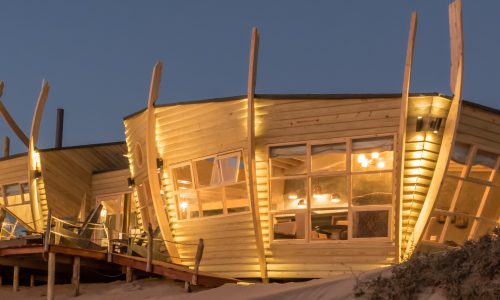
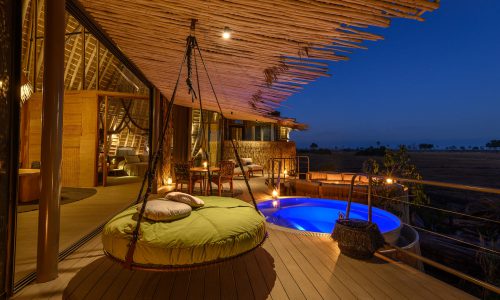
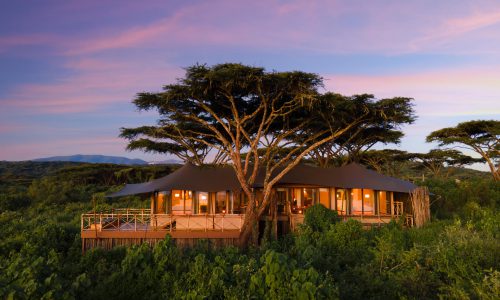
The terms “camp” and “lodge” can be quite confusing if you rely solely on the accommodation’s name. For example, one of our favorite luxury camps, Jao Camp, features a combination of elegant wood and steel suites, making it a stunning stay – but you will not be under canvas as it were. On the other hand, Ngorongoro Crater’s Edge is often called a “lodge,” but it actually consists of beautiful luxury canvas tented suites with breathtaking views. One thing we can promise is that you’re unlikely to ever see glamping done so well as in Africa!

Luxury Tented Camp

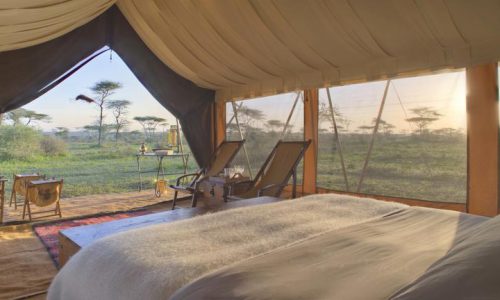
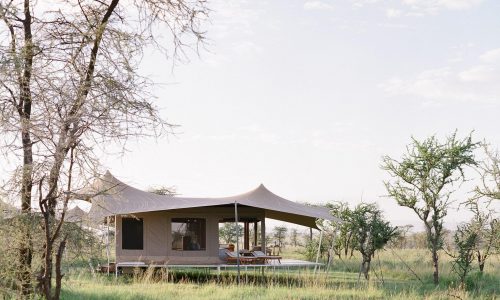
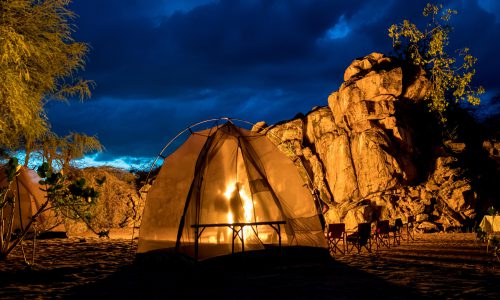
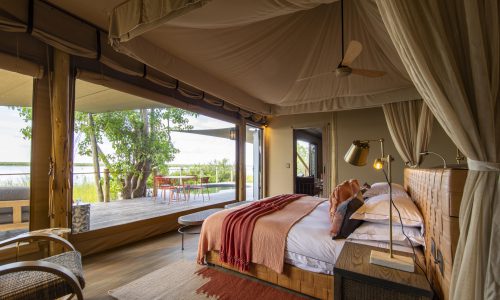
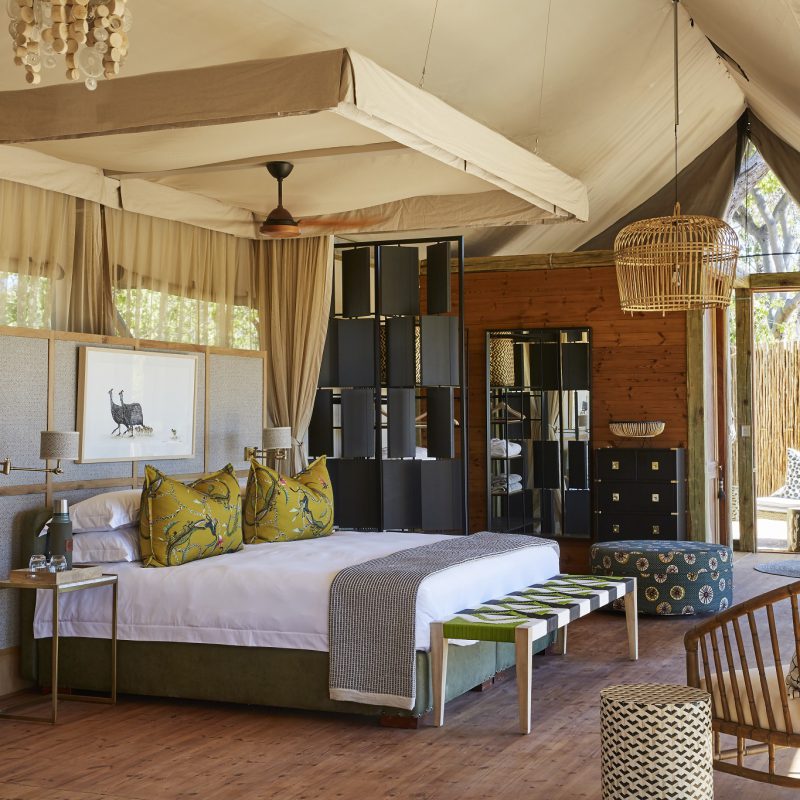
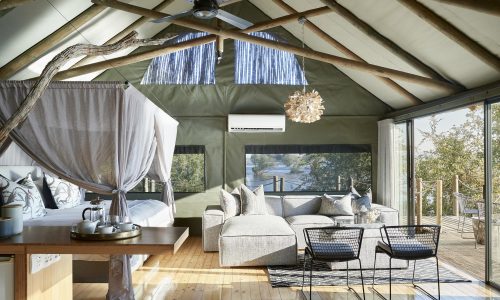
Luxury tented camps are perhaps the quintessential safari experience — combining the romance of sleeping under canvas with exceptional comfort and service. Don’t let the word tent fool you; these accommodations often feel more like boutique hotels in the wilderness.

Typically spacious and beautifully designed, luxury tents usually include en-suite bathrooms, proper beds with fine linens, indoor or outdoor showers, private verandas, and in some cases plunge pools or outdoor bathtubs. The canvas walls allow you to hear the sounds of the bush at night — lions roaring in the distance or hippos grunting nearby — while still enjoying high levels of comfort.

Luxury tented camps are especially common in private conservancies and wildlife-rich areas where an immersive experience is part of the appeal.

Examples:

Duma tau family tent
Seasonal Tented Camp

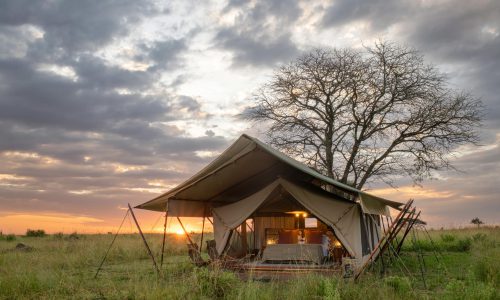
Seasonal camps operate only during certain months of the year and are set up in specific locations to take advantage of wildlife movements or ideal seasonal conditions.

Unlike fully mobile camps, these camps generally return to the same locations each year and may feel more established in design and comfort. They are often strategically positioned for the best wildlife experiences — for example, close to the Great Migration calving grounds in Southern Serengeti from January to March or near river crossings later in the season.

Seasonal camps provide an excellent balance between immersion, comfort, and being in the right place at the right time.

Examples of Seasonal Camps (Tanzania):
Safari Lodge

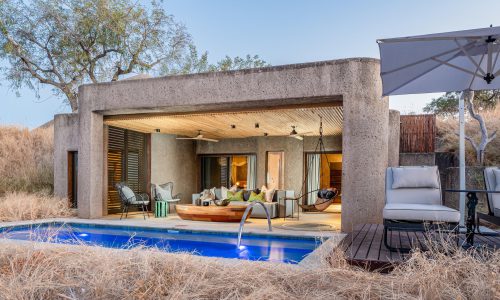
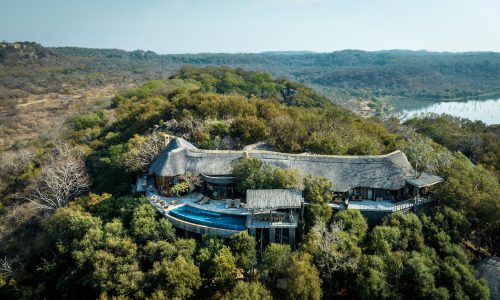
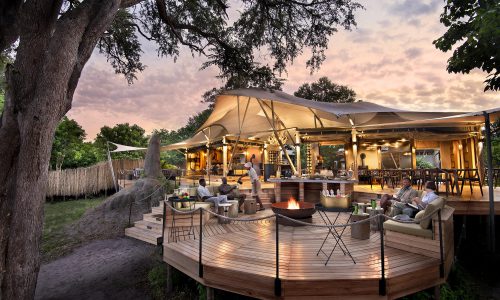
Safari lodges are more permanent structures, usually built from stone, wood, or natural materials that blend into the environment. Lodges range from intimate boutique properties to larger luxury retreats and are often ideal for travelers seeking more amenities, families, or longer stays.

Unlike tented camps, in general, lodges tend to offer more substantial communal spaces, swimming pools, spas, wine cellars, and larger family suites. Wildlife viewing can still be exceptional — many overlook rivers, floodplains, or active watering holes.

Safari lodges are common across Southern Africa, particularly in South Africa, Namibia, Zimbabwe, and Botswana, though East Africa also offers excellent lodge options.

Examples:

Tree-Houses and Star Beds (Sleepout Platforms)

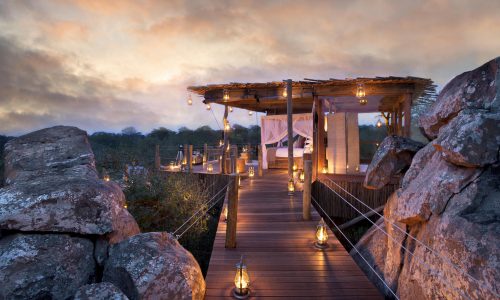
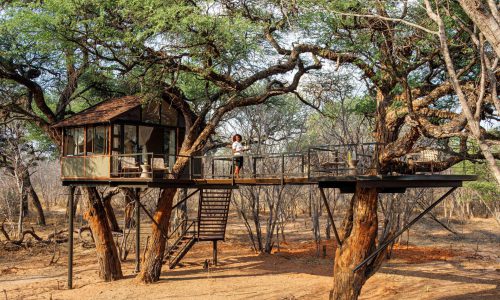
Beyond traditional camps and lodges, many safari properties also offer unique overnight experiences such as treehouses and star beds — unforgettable opportunities to sleep beneath Africa’s vast skies and feel deeply connected to the wilderness.

For those seeking something truly memorable, treehouses and safari sleep-outs offer one of Africa’s most magical overnight experiences — a chance to spend a night immersed in nature with little between you and the wilderness.

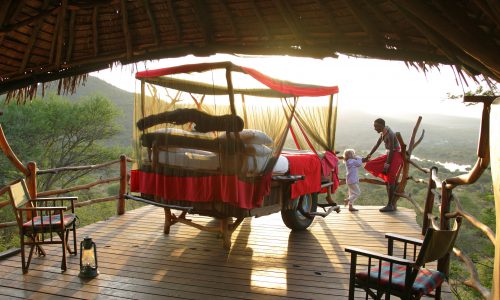
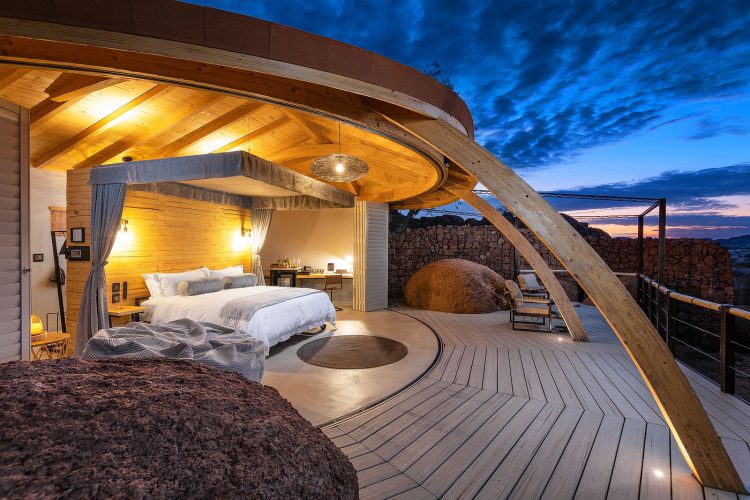
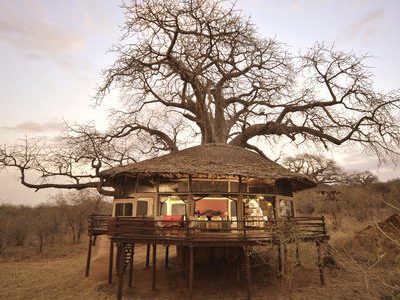
These unique accommodations are typically standalone elevated platforms or beautifully designed open-air structures set away from the main camp or lodge. Some are fully enclosed treehouse-style suites, while others are elegant open-air “star beds” with a proper mattress, mosquito netting, lantern lighting, and a private bathroom nearby or discreetly integrated.

A night in a treehouse or star bed is all about the experience: enjoying sundowners as the sun sets, dining privately beneath the stars, and falling asleep to the sounds of the bush around you. Depending on the location, you may overlook a waterhole frequented by elephants, giraffes, hyenas, or nocturnal wildlife moving quietly below.

While wonderfully romantic and adventurous, sleep-outs are generally weather dependent and may not be suitable for very young children. They are often offered as an optional add-on to a safari stay and are particularly popular for honeymooners or special occasions.

Treehouses tend to be more substantial, architecturally designed structures — sometimes with enclosed bedrooms and luxury finishes — while star beds are more open and intentionally immersive, focused on sleeping beneath the night sky. More lodges in Namibia, Zimbabwe and Zambia especially are offering options to pull a bed, or set up a bed under the open skies on the roof or deck of your room – which is great if you start to feel a little anxious with the rather loud animal calls at night on safari!

Examples:
Fly Camps and Mobile Camps

For adventurous travelers seeking a deeper connection to the wilderness, fly camping offers one of Africa’s most unforgettable safari experiences.

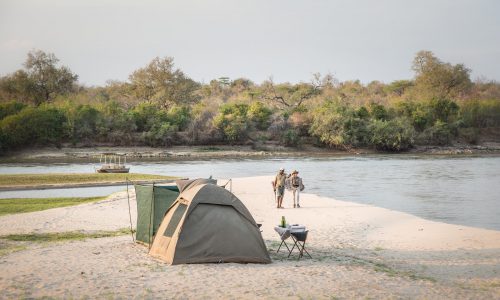
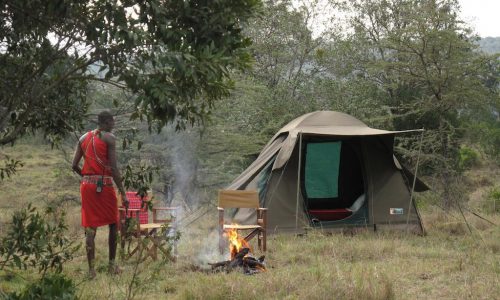
Typically done as part of a walking safari, guests spend a night under canvas — or sometimes simply under the stars — in a lightweight temporary camp. Comfort is intentionally pared back, but the reward is total immersion in the bush. Think lantern-lit dinners, campfires beneath vast night skies, and falling asleep to the sounds of Africa all around you.

Fly camping is especially popular in Zambia, Tanzania, Zimbabwe, and parts of Kenya, often led by highly experienced walking guides.

This is safari in its purest, most adventurous form.

Examples:

Which Safari Accommodation Is Right for You?

There’s no single “best” style of safari accommodation — it depends on the experience you are seeking.

  • For romance and immersion: Luxury tented camps
  • For following wildlife and migration: Mobile or seasonal camps
  • For adventure and deeper wilderness connection: Fly camps
  • For comfort, amenities, and family travel: Safari lodges

Many of our favorite itineraries combine different styles, allowing you to experience Africa from several perspectives — perhaps a classic tented camp in the bush paired with a lodge overlooking a river, or a luxury safari followed by a night fly camping under the stars.

After all, where you stay is part of the adventure — and in Africa, your accommodation often becomes one of the stories you remember most.

Plan Your Safari
1 Your Trip
2 About You

Send this to a friend