There are many reasons to go on safari: extraordinary wildlife, beautiful landscapes, incredible guides and the chance to experience places that feel wonderfully removed from everyday life. But one of the things we value most at African Portfolio is knowing that a thoughtfully planned safari can also make a meaningful contribution to the people and places you visit.
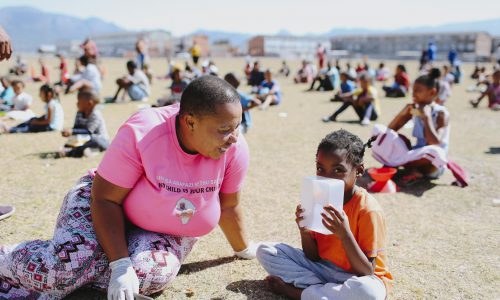
When you stay at the right safari lodges and camps, your travel dollars reach much further than simply paying for a beautiful room and exceptional game viewing. Tourism provides employment, supports conservation and, in many areas, helps fund schools, healthcare, community programs and wildlife protection.
At African Portfolio, this is something we take into consideration when deciding which safari companies and lodges we recommend. We know many of our partners personally, have visited their camps and have seen firsthand some of the work they are doing behind the scenes.
Tourism Creates Opportunity
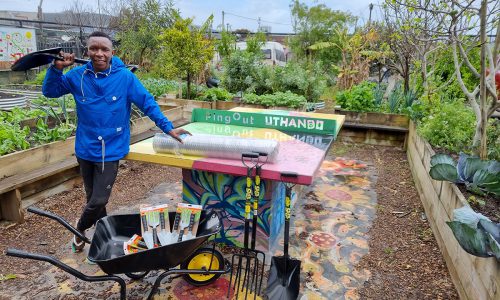
Safari tourism is an important source of employment in many rural areas of Africa, where other economic opportunities can be limited. Lodges employ guides, trackers, chefs, housekeepers, managers and maintenance teams, but the impact extends well beyond the camp itself.
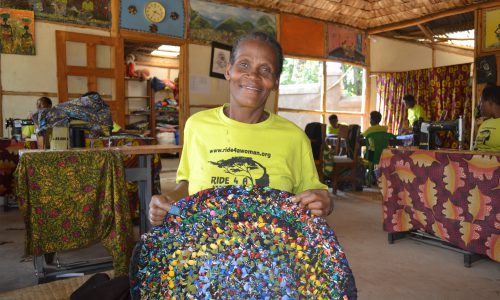
Local farmers and suppliers provide food and other goods. Artisans sell their work. Drivers, pilots and tourism businesses benefit from travelers visiting the region. Many safari companies also invest in training and professional development, creating opportunities for people to build long-term careers.
And some go considerably further.
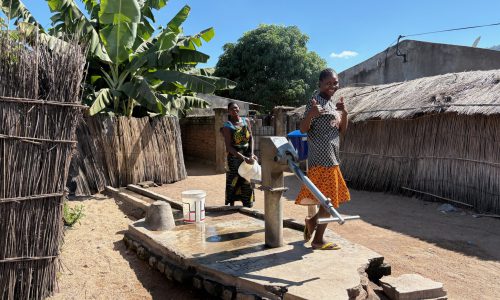
Many of the safari partners we work with support schools, clinics, scholarships, clean-water projects and small businesses in the communities surrounding their wildlife areas. In Kenya’s private conservancies, for example, tourism can also provide income directly to local landowners through conservation leases. The result is an important relationship: wildlife has protected land, communities receive tangible economic benefits and travelers enjoy an exceptional safari experience.

Protecting Wildlife Goes Beyond Park Fees
Most safari travelers know that conservation and park fees form part of the cost of their trip. These fees are important, helping support the management and protection of national parks, private reserves and conservancies.
But conservation doesn’t stop there.
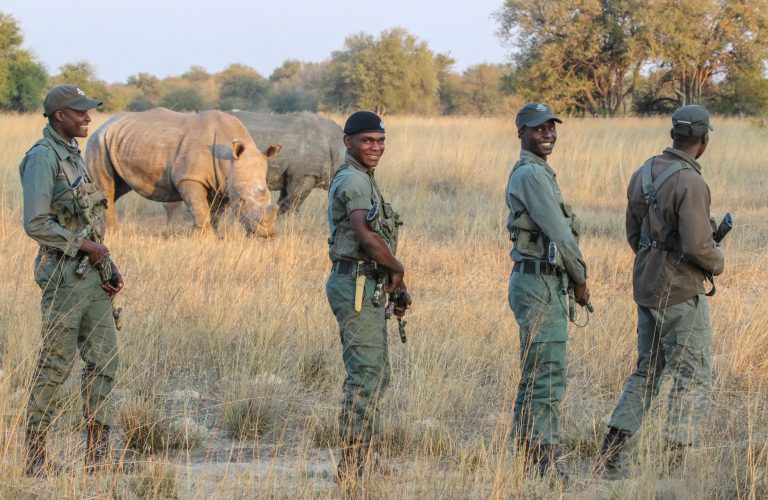
Many safari companies invest significant resources directly into protecting the environments in which they operate. This can mean financing anti-poaching units, wildlife monitoring, conservation research, habitat restoration and veterinary programs.
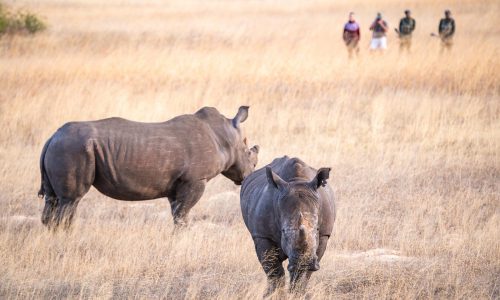
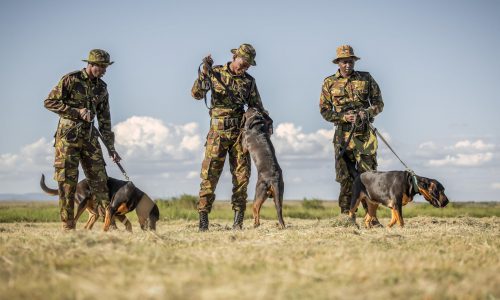
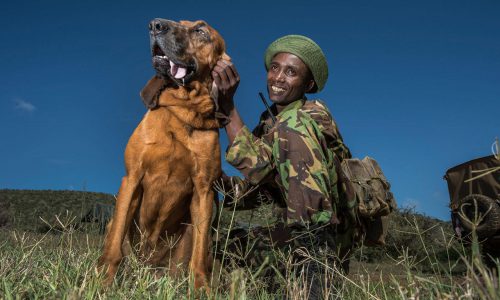
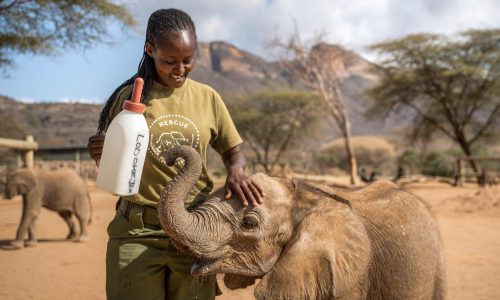
For example, if you are staying in the Lewa Conservancy, in Kenya, for a small donation guests can have a tour of the Conservancy offices and participate in conservation work such as the training of the anti-poaching tracker dogs. If you stay at an Imvelo lodge in Hwange, Zimbabwe you have the opportunity to see firsthand how the reintroduction of white rhino is unfolding in the National Park. In Botswana, guests have the opportunity to visit Elephant Havens, whose mission is educating local communities on elephant behavior and habitat protection to minimize human wildlife conflict. In Kenya, our clients love including a visit to Sheldrick or Reteti elephant orphanages, to support and learn more about anti-poaching and conservation efforts.
These aren’t simply interesting additions to a safari itinerary. They offer a glimpse into just how much work — and funding — goes into protecting the wildlife we travel so far to see.
Luxury Can Be Sustainable
There can be a misconception that “luxury” and “sustainable” sit at opposite ends of the spectrum. In the safari world, they increasingly go hand in hand.
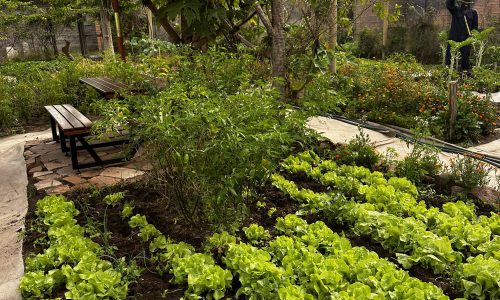
Many of the lodges we recommend operate in extraordinarily remote locations, which makes managing resources responsibly essential. Solar power, careful water management, reducing single-use plastics, responsible waste disposal and locally sourced food are becoming integral to the way many leading safari camps operate.
A lodge can provide a beautiful suite, wonderful food and exceptional service while simultaneously minimizing its environmental footprint and helping finance the protection of thousands of acres of wilderness.
For us, that is what modern safari luxury should look like. We love visiting the “back of house” it is eye-opening how advanced many safari lodges are in the most remote places when it comes to water usage, solar, organic food — all while trying to keep the monkeys out of the kitchen and garden!
Good Guiding Is Part of Conservation
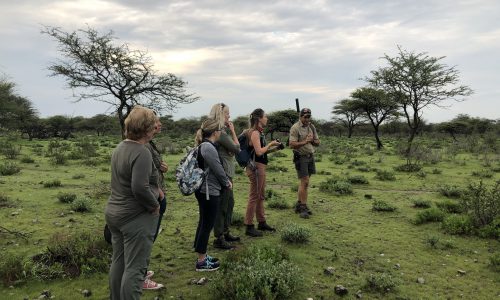
The quality and ethics of your safari guide matter, too.
At African Portfolio, great guiding has always been one of the most important factors when recommending a safari experience. We want our clients to have extraordinary wildlife encounters, but never at the expense of the animals.
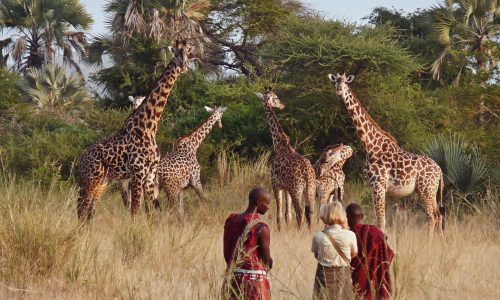
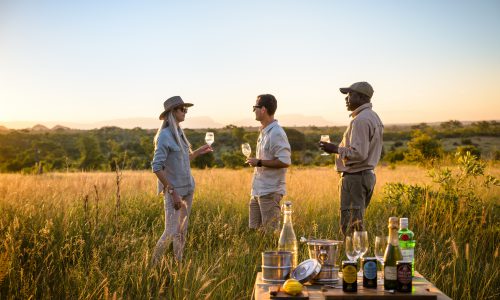
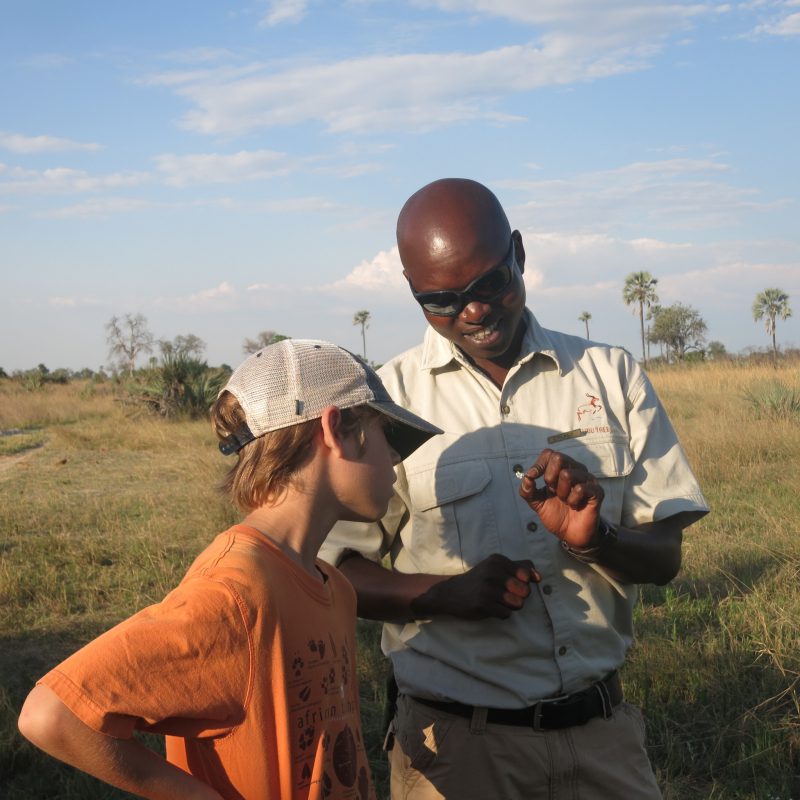
A well-trained guide understands animal behavior and knows when to approach, when to keep a respectful distance and when it is time to move on. The best guides also help travelers understand the entire ecosystem and the conservation challenges it faces. As we often say, a safari should be about far more than simply checking the Big Five off a list.
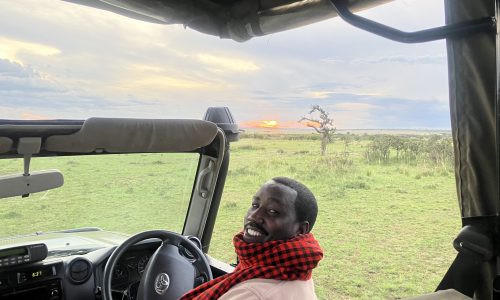
The local guides we work with are not only wildlife experts; they are often cultural ambassadors who give our travelers a much deeper understanding of the places they are visiting.
Conservation Has to Include Communities
One of the most complicated issues facing wildlife conservation is human-wildlife conflict.
For a traveler, seeing an elephant, lion or leopard in the wild is an extraordinary privilege. For someone whose home or livelihood borders a wildlife area, those same animals can destroy crops, kill livestock and sometimes pose a danger to people.
It is difficult to ask a community to protect wildlife if that community receives no benefit from having wildlife as its neighbor.
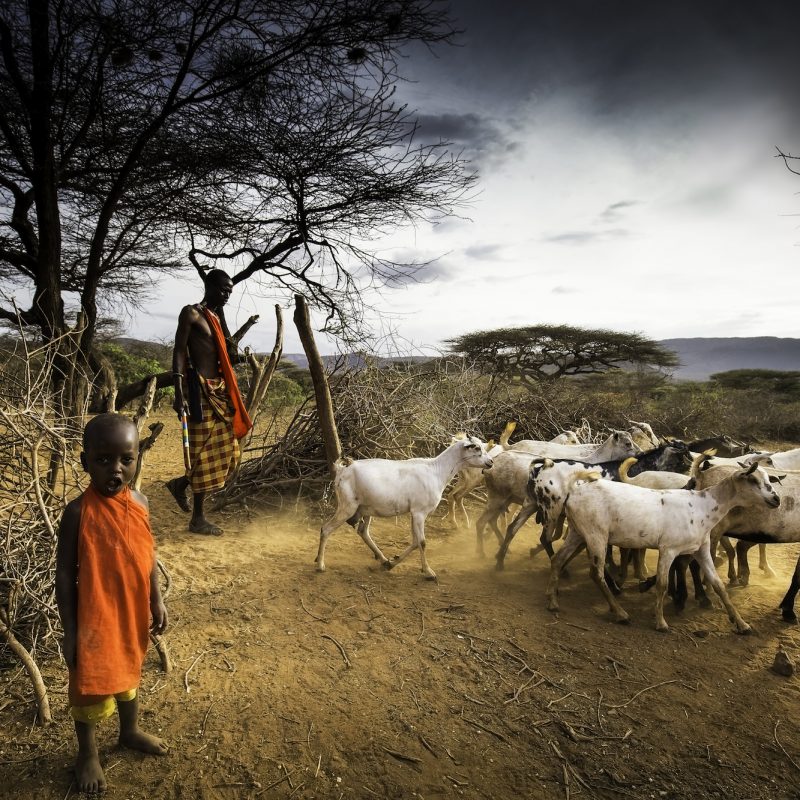
That is why some of the most successful conservation models combine wildlife protection with employment, education, community investment and revenue sharing. When local people have a genuine economic stake in tourism and conservation, protecting wilderness becomes beneficial to everyone.
It is one of the reasons we believe choosing the right safari partners matters.
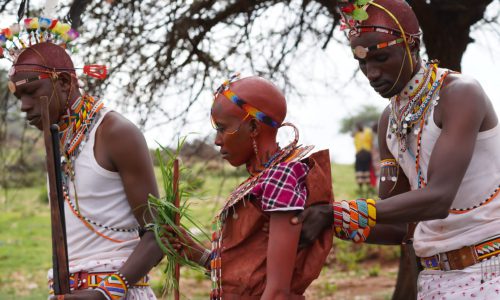
African Portfolio also Gives Back ..
And when you travel with African Portfolio, we are contributing on your behalf to 3 specific community organizations we support – alongside our commitment to working with partners who share our respect for Africa’s people, wildlife and wild places.
So yes, you are going on safari to watch elephants cross a river, hear lions calling at night, enjoy a spectacular sundowner and perhaps stay somewhere wonderfully luxurious. But you are also helping support the guide who shows you that lion, the community living alongside that elephant and the conservation teams working to make sure both still have a place in Africa’s future. We think knowing that makes an extraordinary journey even more meaningful.